
Turn your roof into the cheapest energy on site.
Grid-connected solar paired with LFP battery storage — sized to how your business actually uses power, not to a number off a satellite photo.
What solar and battery does for a business
Three things, in the order most businesses care about them.
Substantial bill savings
Solar offsets the grid power you buy during trading hours — the exact window when commercial tariffs are at their most expensive and your site is drawing hardest.
Backup power in an outage
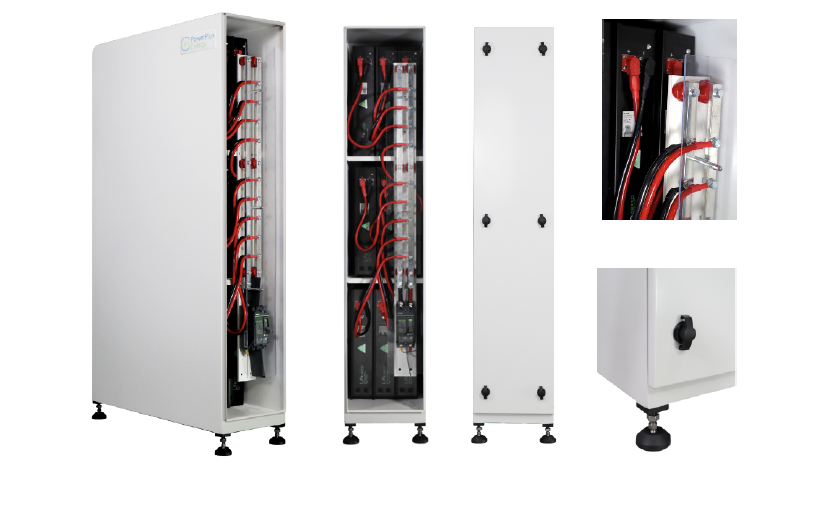
LFP battery storage keeps critical equipment, refrigeration, EFTPOS and lighting alive when the grid drops — so an outage stops costing you a trading day.
Lower emissions
Every kilowatt-hour you generate displaces fossil-fuel grid electricity — useful for tender requirements, reporting obligations and the story you tell customers.
Where the savings actually come from
Most businesses draw hardest in daylight and keep drawing after close. Solar handles the first part, the battery handles the second.
A typical weekday, hour by hour
Illustrative example — your real profile is measured during the energy review.
Relative site load through the day. Surplus solar around the middle of the day charges the battery, which then covers the evening shoulder after generation drops away.
Solar meets the load directly, so you stop buying the most expensive power of the day.
Anything you don't use charges the battery instead of being exported for a few cents.
The battery covers the shoulder after close — and keeps critical circuits alive if the grid fails.
Businesses this works well for
If your site draws power during daylight, keeps drawing after close, or cannot afford an outage, the numbers usually stack up.
Offices & professional
Weekday 8-to-6 load that lines up almost perfectly with generation.
Workshops & light industrial
Machinery, compressors and three-phase load through the trading day.
Retail & hospitality
Lighting, refrigeration and EFTPOS that cannot afford to go dark.
Warehousing & logistics
Large roof area, high daytime draw, plenty of room for an array.
Rural & agricultural
Pumps, sheds and sites where the grid is weak, expensive or both.
Medical & allied health
Equipment and cold storage that needs to ride through an outage.
Childcare & education
Long daytime hours, steady load, and a story parents care about.
Strata & commercial tenancies
Shared roofs and common-property load, sized around the metering.
From first call to ongoing support
We guide you through every stage — consultation, design, installation and the years afterwards.
Free energy review
We look at your bills, tariff and how your load moves through the day and the week — before anyone talks about panel counts.
Design & written proposal
Array size, battery size, where it goes, what it costs and what it returns — on paper, before you commit to anything.
Installation
Our own qualified installers, scheduled around your trading hours so the disruption to the business stays minimal.
Monitoring & support
You can see what the system is producing and storing, and we stay available afterwards — not just until the invoice clears.
Experience, good gear, and someone who picks up the phone
Extensive industry experience, top-quality products, and an unwavering commitment to customer satisfaction — from the first consultation through installation and beyond.
-
A multidisciplinary team
Solar generation, battery storage, thermal management and electrical engineering under one roof, so nothing gets handed off and lost.
-
Direct manufacturer partnerships
Better equipment and better pricing, without a middleman markup or a support chain that goes quiet.
-
LFP battery chemistry
Lithium iron phosphate storage, chosen for cycle life and stability in commercial installations.
-
Support that continues
We guide you from consultation through installation and stay on for the ongoing support afterwards.
MinSolar at a glance
Business questions
What size system does my business need?
That is exactly what the energy review answers. We look at your interval data, tariff and how your load moves through the day and the week, then size the array and the battery around it — rather than filling the roof and hoping.
Do we need a battery, or is solar enough?
If your load stops when the sun does, solar alone can do most of the work. If you keep drawing after close, run refrigeration overnight, or cannot afford an outage, the battery is where the rest of the value sits. The review shows you both cases in dollars.
Will installation interrupt trading?
We schedule around your operating hours and stage the work to keep disruption minimal. Any switchboard work that needs a shutdown is planned with you in advance, not sprung on you on the day.
What actually stays on during a blackout?
That is a design decision we make with you. Typically it is the circuits that cost you money when they stop — refrigeration, EFTPOS and point of sale, security, critical equipment and enough lighting to keep operating safely.
We lease our premises — can we still do this?
Often yes, with the landlord's agreement. We have designed around tenancy and strata metering before, and we will tell you honestly during the review if your particular arrangement makes it impractical.
We already have solar. Can you add storage?
Usually. We also see commercial arrays that were undersized for how the business has grown since. The review covers whether a battery, an array upgrade, or both is the better use of your money.